Tangled Roots & Twisted Tales

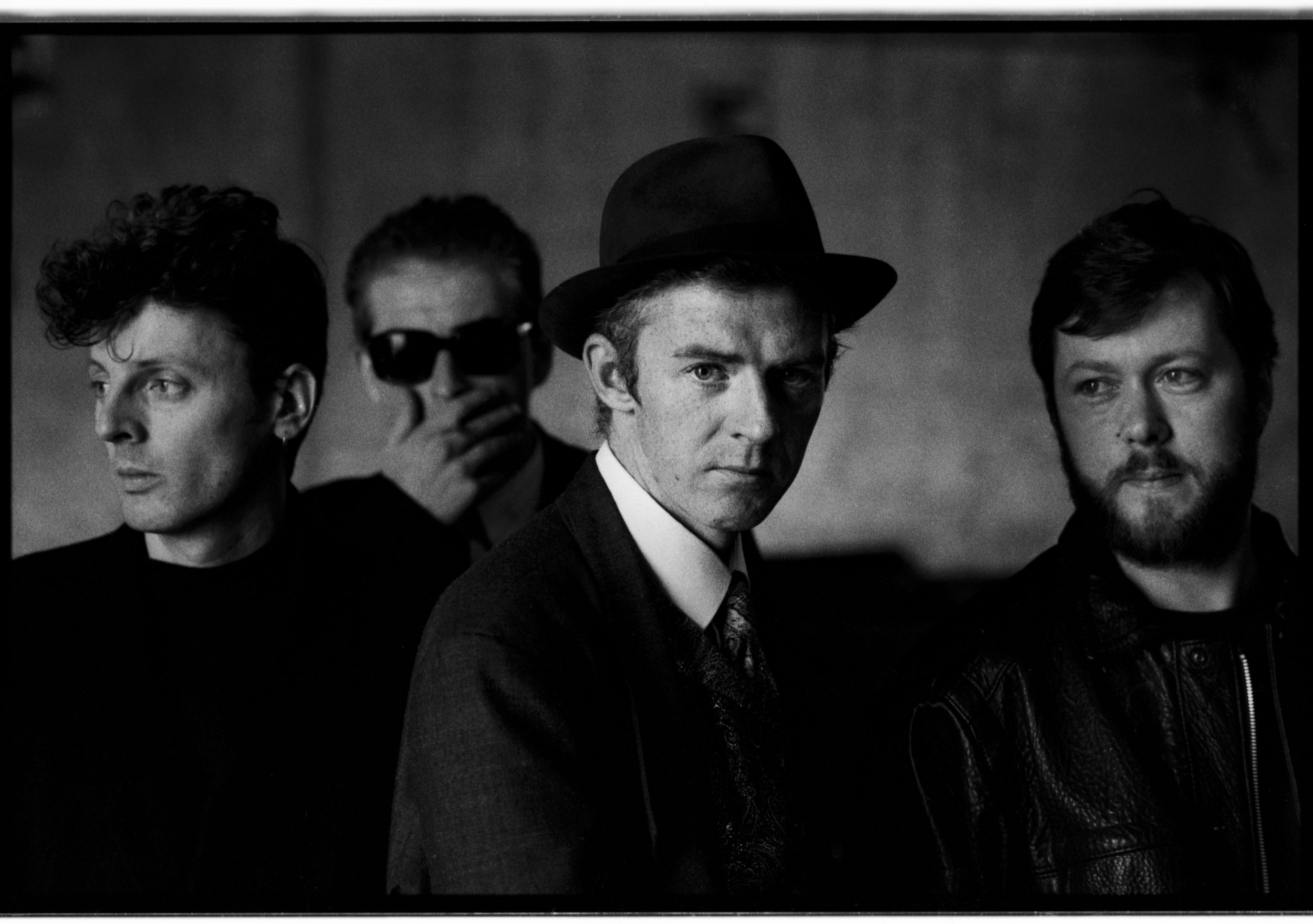
I’ve known Ed McGinley for a long time, even before I photographed his band The Dixons in the 90’s. It’s great to see his latest album Tangled Roots & Twisted Tales described as a “slow-burning pleasure” in a recent Irish Times review. You can buy it here.

Ed McGinley in NCAD, Dublin.

There are more of my portraits of performers here.

L'esprit de l'escalier

L'esprit de l'escalier is a French expression that no French person seems to have heard of, which describes what it’s like to think of a perfect response long after the opportunity to deliver it has passed.

I was leaving La Guarida in Havana when I noticed him coming down the staircase, and when I asked for a photograph he knew just the right pose.

There are some more of my Havana photographs here.

Taken on my first visit to the MEP, in the company of my favourite exhibitions coordinator.

The staircase in my last apartment. Monter ces escaliers aide à garder le cul soigné, as they say.

Etymology

Borrowed from French esprit de l’escalier (literally “mind of the staircase”), with the definite article le (“the”) at the beginning of the term elided to l’. It refers to a description of the phenomenon in the essay Paradoxe sur le comédien (Paradox of the Actor, completed 1778 and published 1830)[1] by the French encyclopedist and philosopher Denis Diderot (1713–1784). During a dinner at the home of the statesman Jacques Necker (1732–1804), Diderot was left speechless by a remark made to him. He wrote: « l’homme sensible, comme moi, tout entier à ce qu’on lui objecte, perd la tête et ne se retrouve qu’au bas de l’escalier » (“a sensitive man, such as myself, overwhelmed by the argument levelled against him, becomes confused and can only think clearly again at the bottom of the stairs”), that is, when one is already on the way out of the house.

The Staircase (Mystery)

Phuong Le

An out-take of film writer Phuong Le. You can read her piece “Feeling Seen: Whose Apocalypse Now?” here, and there are more of my portraits of writers here.

Into The Woods

I was given an unusual commission over the summer - to photograph some woods in the Wicklow mountains. They belong to a friend’s father, but as he’s become too unwell to visit them she wanted some prints made so she could bring the woods to him.

Here are some of my favourite images from the shoot.

He renovated this little cabin himself.

Fall Colours in New England

Taken while I was shooting around Boston for Cara magazine last week.

Paris Street Art, Part Two

September Windows

Portimao, September 21st 2017

Paris, September 20th 2019

Paris, September 25th 2018

Paris, September 25th 2018

Portrait of a QRGP*

GFXF4460.jpg
GFXF4462.jpg

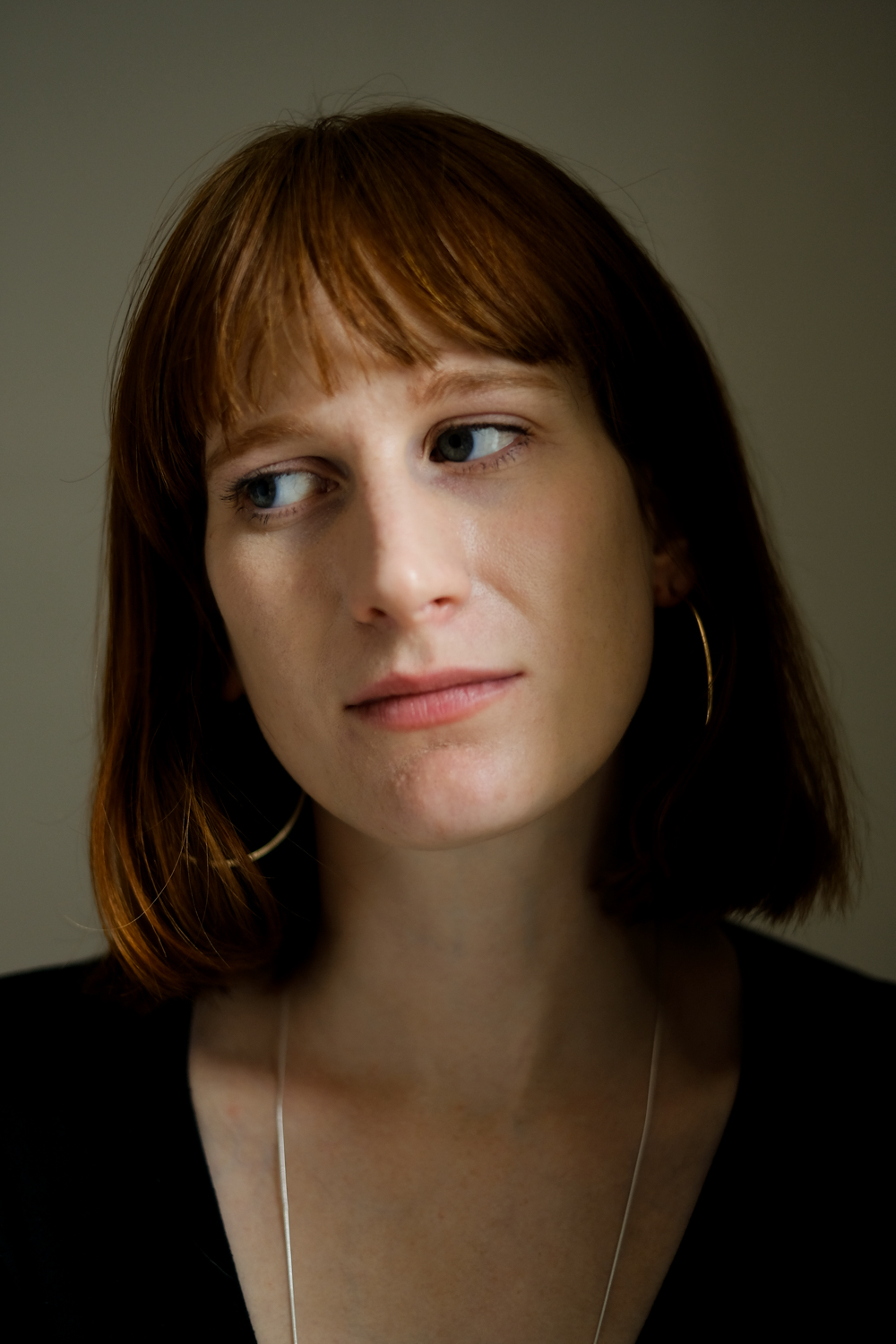
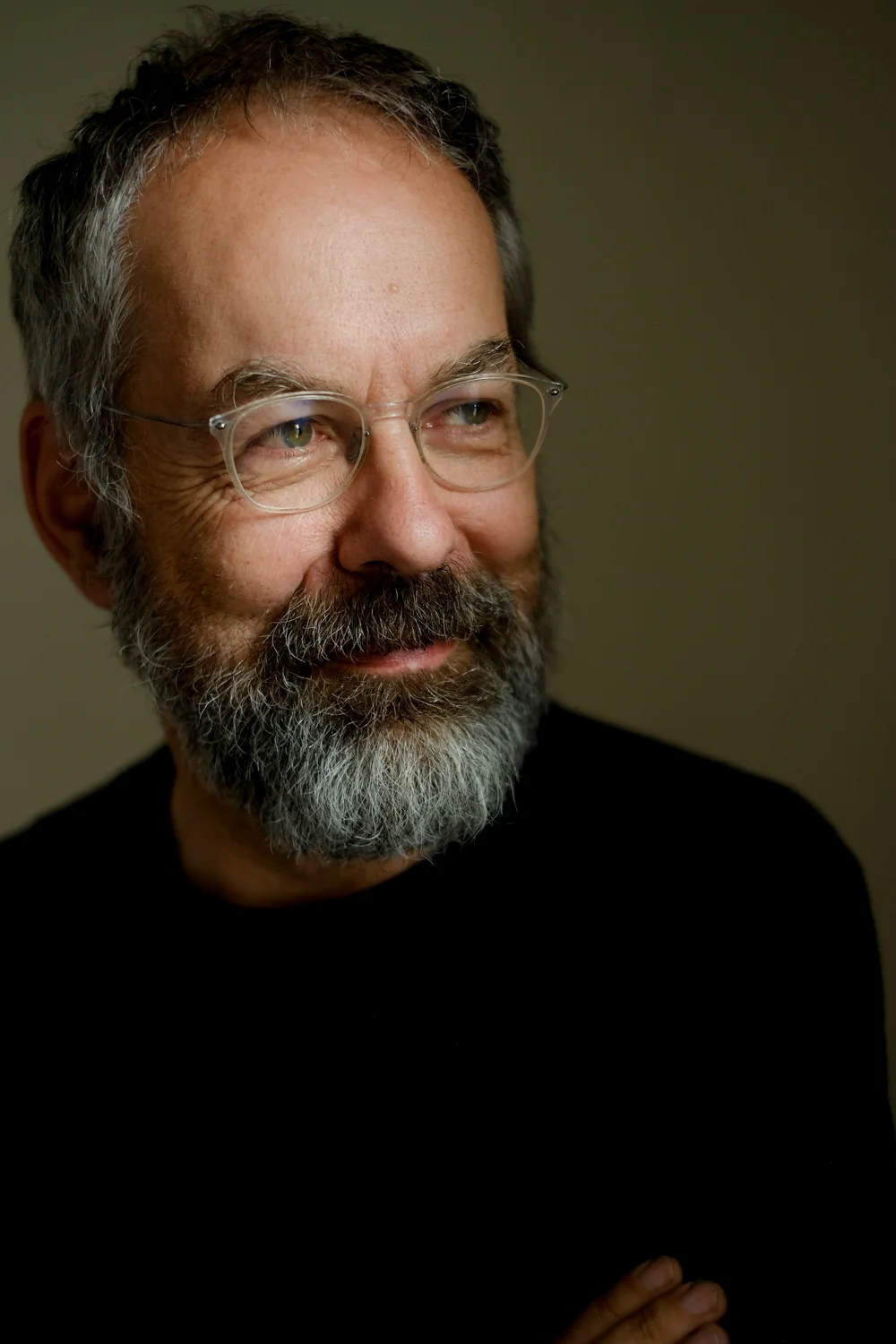
Did a few headshots of model Paul Kerr after working on a shoot last week in Dublin. He’s dead on and great to work with - check out his model page here.

*Quite Ridiculously Good-looking Person

Antwerp for Cara magazine

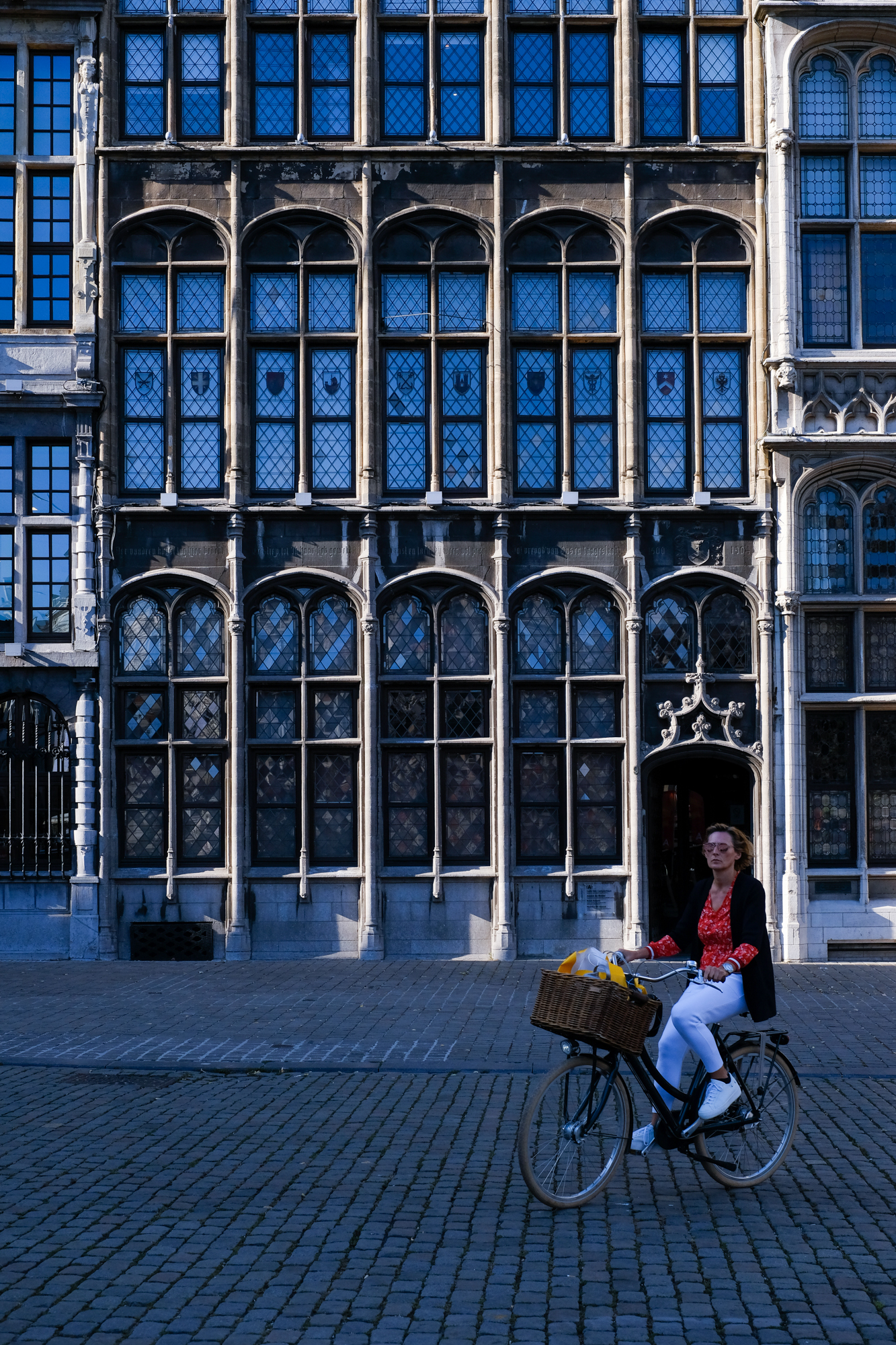
Belgian beauty in this month’s Cara magazine.

Arles

The rencontres de la photographie in Arles

SHOT / REVERSE SHOT

I had a great time photographing actor/singer/ budding photographer Nicky Kavanagh, even when she turned it back onto me.

Bendy Joy

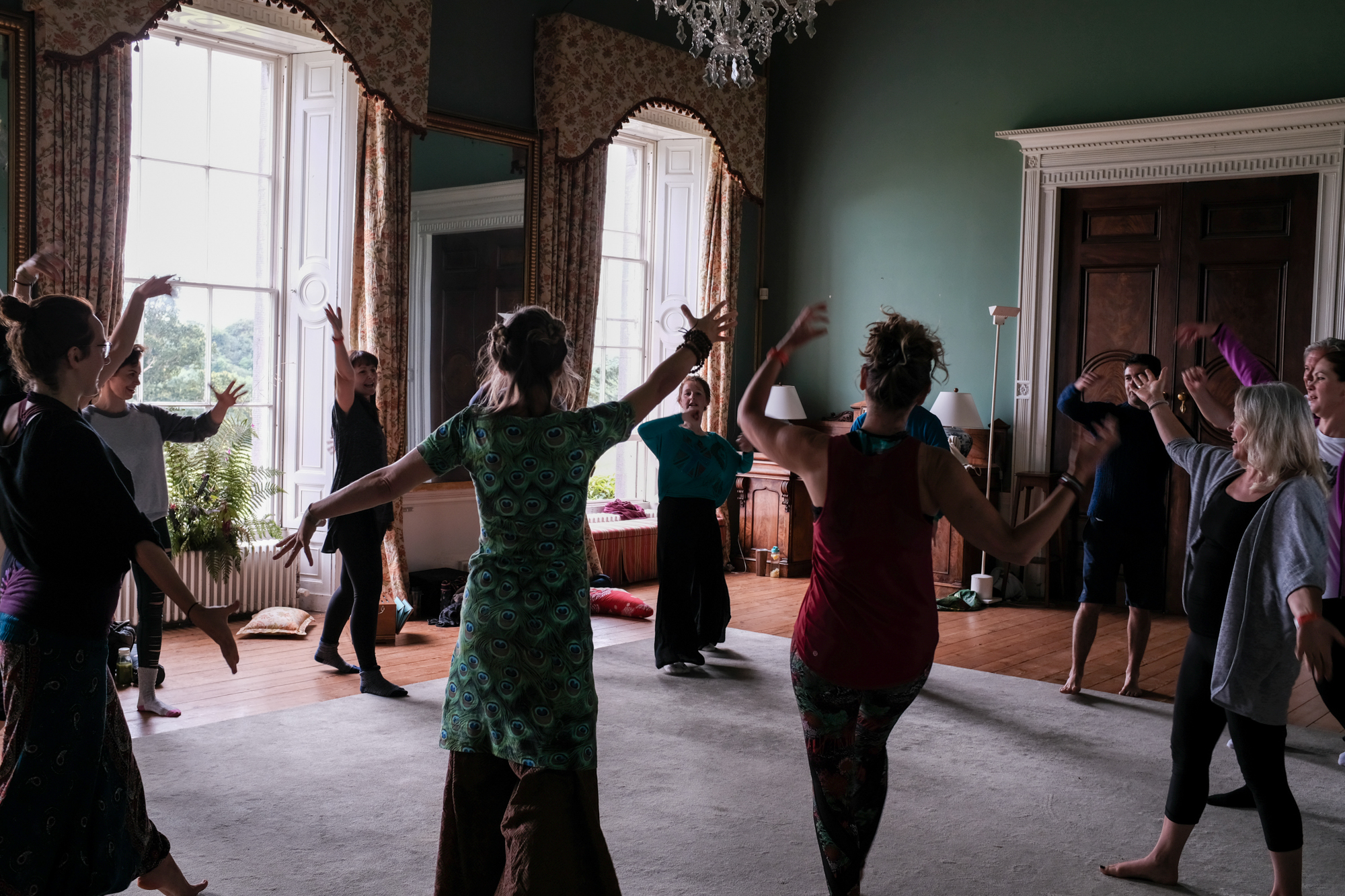
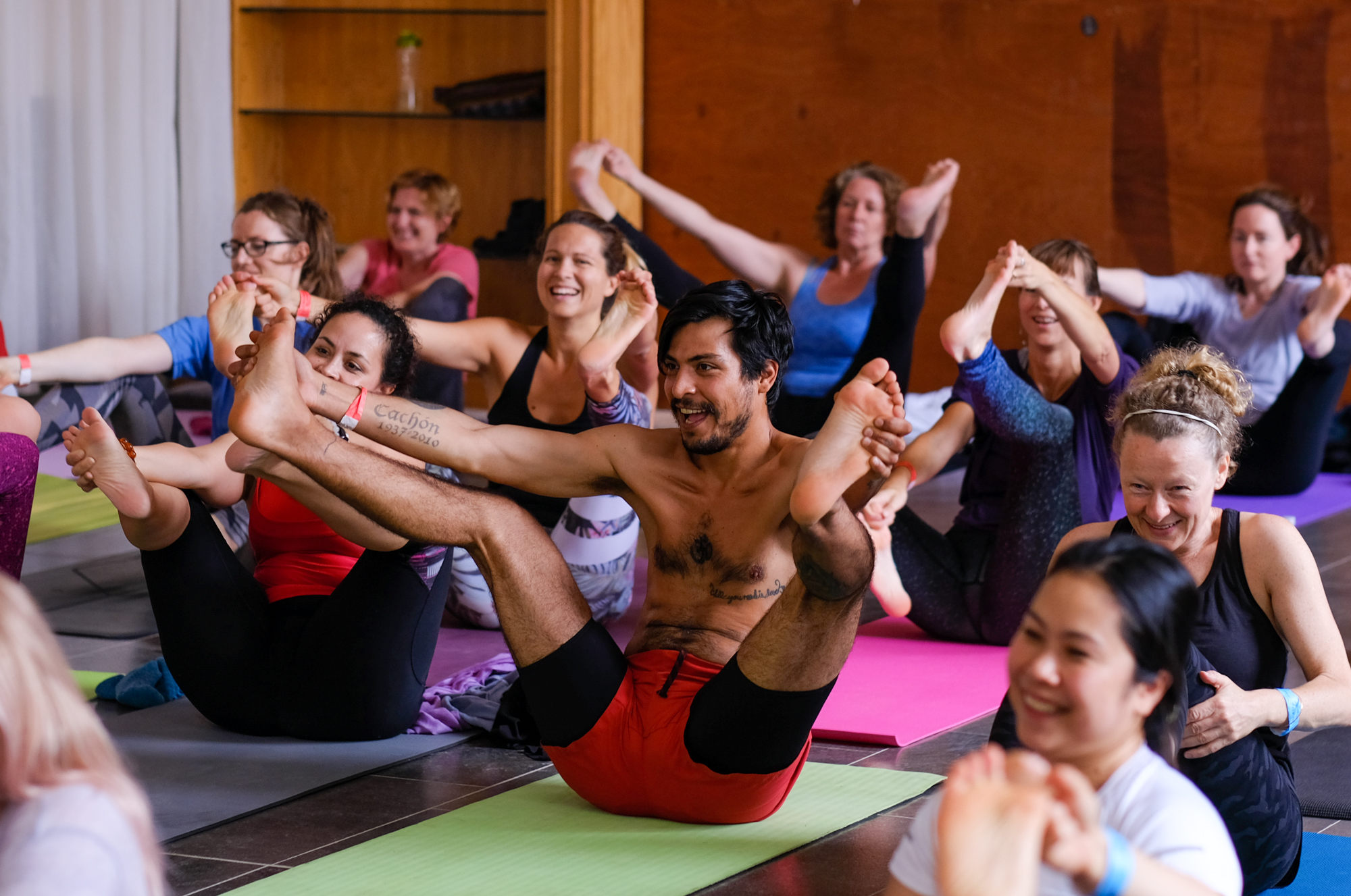
The Celtic Woodlands Yoga Festival, taking place this weekend in Townley Hall, County Louth.

Phantom Islands

Rouzbeh Rashidi and Jann Clavadetscher filming on Inis Mór, August 2017.

Rouzbeh Rashidi and Jann Clavadetscher filming on Inis Mór, August 2017.

I’m very proud to have been a producer on Rouzbeh Rashidi's experimental feature film “Phantom Islands” and am very glad to share that it is now available on video on demand to stream or download. The film is like a beautiful, disturbing dream about travelling to the islands of Ireland, and it went on to be screened at over thirty festivals and cinemas all around the world.

To watch Phantom Islands, please visit here: https://bit.ly/2tHeH0w

That’s me on the right, on top of the Black Fort.

The First Irish Gay Song

The Radiators photographed in the Dublin docklands in 1989. L-R Pete Holidai, Mark Megaray, Philip Chevron and Jimmy Crashe.

The Radiators photographed in the Dublin docklands in 1989. L-R Pete Holidai, Mark Megaray, Philip Chevron and Jimmy Crashe.

“Under Clery’s Clock” was Ireland’s first openly gay-themed song. It was written by Philip Chevron, the lead singer and guitarist with Ireland’s greatest unsung punk band, The Radiators from Space.

I loved their album “Ghostown”, but only got to see them play once before they broke up in 1981 and Philip moved to London, later joining the Pogues. They reformed briefly in the late ‘80’s to play an Aids benefit in Dublin (I was there) and to record the song. Steve Averill* (a.k.a Steve Rapid - the band’s original singer, and the first person to hire me as a photographer) was designing the single cover and we found a crumbling warehouse down the docks for a location. Though I’d worked with many bands by then, I was particularly thrilled to be shooting the Radiators.

Cover shot for the re-issue of “Ghostown”. You can see the rain in the background.
“Under Clery’s Clock”, described as “an exquisitely haunting lament about two teenage boys who arrange a rendezvous under the Dublin landmark of the title” was a coming out for Philip as well. Sadly he died in 2013, but I think part of his spirit will be back on the Dublin streets later today as the biggest ever Pride march passes Clery’s clock on O’Connell Street.

*Steve is currently posting a great series of pictures and stories of the early Dublin rock scene on his Instagram.